Best Ligament Injury Surgery in Jaipur | Ligament Injury Doctor & Surgeon
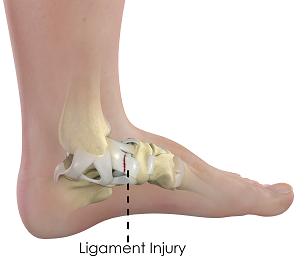
A ligament injury occurs when the tough, flexible bands of tissue connecting bones are stretched or torn, often due to sudden twists, falls, or high-impact athletic activities. Common in joints like the knee (ACL, PCL, MCL, LCL), ankle, and shoulder, ligament injuries can cause acute pain, swelling, and severe joint instability. Early diagnosis and evidence-based treatment—ranging from specialized physiotherapy to precision arthroscopic ligament reconstruction—are crucial for restoring full joint stability and athletic function.
A ligament injury can make everyday movements difficult, whether it happens during sports, exercise, a sudden fall, or an unexpected twist of the knee or ankle. Pain, swelling, and a feeling that the joint may give way are common reasons to seek medical attention.
If you are looking for a ligament injury specialist in Jaipur, Dr. Sandeep Yadav at Welton Hospital provides orthopaedic consultation for ligament injuries, particularly those affecting the knee. His training in knee surgery, sports medicine, arthroscopy, and ligament reconstruction supports the assessment and management of different types of knee ligament injuries.
Treatment depends on the ligament involved, the severity of the injury, joint stability, activity requirements, and any associated damage. Some injuries recover with bracing and physiotherapy, while others may require arthroscopic surgical repair.
Meet Dr. Sandeep Yadav – Ligament Injury Doctor & Surgeon in Jaipur
Dr. Sandeep Yadav is a senior orthopaedic surgeon at Welton Hospital, Jaipur, with extensive fellowship training in knee surgery, sports medicine, arthroscopy, joint replacement, and ligament reconstruction.
Qualifications and Professional Background
- MBBS: Government Medical College, Baroda (2010)
- MS Orthopaedics: PGIMER, Chandigarh (2014)
- Senior Residency: AIIMS, New Delhi (2014–2017)
- Fellowship in Joint Replacement & Arthroscopy: Vienna, Austria (2016)
- Fellowship in Knee Surgery & Sports Medicine: Seoul National University Hospital, South Korea (2017)
- Professional Membership: Indian Orthopaedic Association
- Medical Registration: Rajasthan Medical Council, 14463 (2016)
For patients considering treatment for a torn knee ligament (such as ACL tear, PCL tear, or multi-ligament knee injuries), his clinical background is particularly relevant to evaluating joint instability, discussing rehabilitation protocols, and determining when arthroscopic ligament reconstruction is necessary.
What Is a Ligament Injury?
Ligaments are strong bands of connective tissue that connect bones and help keep joints stable. They support normal movement and prevent excessive motion.
A ligament injury occurs when these tissues are stretched beyond their normal limits or partially or completely torn. Such injuries are commonly associated with sports, sudden changes in direction, falls, twisting movements, and accidents.
The severity of a ligament injury is generally described in three grades:
- Grade 1: Mild stretching or microscopic damage, usually without significant joint instability.
- Grade 2: A partial ligament tear that may cause pain, swelling, and some looseness in the joint.
- Grade 3: A complete ligament tear that can result in substantial instability, depending on the ligament and joint involved.
Not every ligament tear requires surgery. An orthopaedic assessment helps determine the appropriate treatment.
Types of Ligament Injuries
1. ACL (Anterior Cruciate Ligament) Injury
The ACL is an important stabilising ligament inside the knee. ACL injuries commonly occur during sudden pivoting, jumping, landing, or changes in direction.
Patients may experience a popping sensation, rapid swelling, difficulty walking, or the feeling that the knee is giving way.
Treatment may involve structured rehabilitation, activity modification, bracing, or ACL reconstruction, depending on the patient's needs and knee stability.
2. PCL (Posterior Cruciate Ligament) Injury
The PCL helps prevent excessive backward movement of the shinbone. It may be injured when the front of a bent knee experiences a strong impact, such as during a road accident or sporting activity.
Many isolated PCL injuries can be managed without surgery. More severe injuries, particularly those involving multiple ligaments, may need surgical assessment.
3. MCL (Medial Collateral Ligament) Injury
The MCL is located along the inner side of the knee. It may be injured when a force pushes the knee inward.
Symptoms often include pain and tenderness along the inner knee, swelling, and discomfort during movement.
Many isolated MCL injuries respond well to bracing and physiotherapy. Surgery may be considered in selected complex cases.
4. LCL (Lateral Collateral Ligament) Injury
The LCL supports the outer side of the knee. Injuries may occur following an impact or an unusual twisting movement.
Treatment depends on the extent of damage and whether other structures in the knee are affected.
5. Ankle Ligament Injury
Ankle ligament injuries frequently occur when the foot rolls inward or outward unexpectedly. They can cause swelling, bruising, pain, and difficulty bearing weight.
Most ankle sprains improve with appropriate rehabilitation, although persistent instability or severe injuries may require specialist evaluation.
Common Symptoms of a Ligament Tear
The symptoms of a ligament injury vary depending on the joint and severity of the damage.
Common symptoms include:
- Pain around the injured joint
- Swelling and tenderness
- Bruising after an injury
- Difficulty bending or straightening the joint
- A popping sensation at the time of injury
- A feeling of instability or the joint giving way
- Difficulty walking, running, or climbing stairs
- Reduced confidence during sporting movements
A ligament injury can sometimes occur alongside a meniscus tear, cartilage injury, fracture, or damage to other joint structures.
Seek urgent medical attention if you cannot bear weight, notice a visible deformity, develop numbness or a cold foot, or experience severe pain and swelling after an injury.
How Are Ligament Injuries Diagnosed?
When you consult a ligament injury doctor in Jaipur, the assessment generally begins with a discussion of how the injury happened and the symptoms you have experienced.
1. Medical History and Physical Examination: The doctor may examine the affected joint for swelling, tenderness, movement, and stability. Specific clinical tests can help identify which ligaments may be injured.
2. X-ray: X-rays may be recommended to identify fractures or other bone-related injuries. Ligaments themselves are not usually visible on standard X-rays.
3. MRI Scan: An MRI may be advised when detailed assessment of ligaments, cartilage, menisci, or other soft tissues is needed.
Not every ligament injury requires an MRI. The decision depends on the clinical examination and suspected injury.
Ligament Injury Treatment in Jaipur
Treatment is selected according to the type of injury, severity, joint stability, and the patient's functional goals.
Non-Surgical Ligament Injury Treatment
Many mild and moderate ligament injuries can improve without an operation.
Treatment may include:
- Temporary modification of painful activities
- Ice and elevation to help manage swelling
- Appropriate support or bracing
- Pain-relief medication when clinically suitable
- Physiotherapy to restore movement and strength
- Balance and joint-stability exercises
- A gradual return to normal activities
A rehabilitation programme should be adapted to the injury rather than following the same exercises for every patient.
Surgical Treatment for Ligament Injuries
Surgery may be considered when a ligament injury causes persistent instability, involves multiple damaged structures, or is unlikely to meet the patient's functional needs with non-surgical treatment.
A ligament injury surgeon in Jaipur may recommend procedures such as ligament repair or reconstruction when clinically indicated.
The decision is based on examination findings, imaging, associated injuries, activity requirements, and a discussion of the expected benefits and risks.
ACL Reconstruction Surgery in Jaipur
ACL reconstruction is a procedure used to restore stability in selected patients with a torn anterior cruciate ligament.
During the procedure, the damaged ACL is generally replaced with a tendon graft. The graft may come from the patient's own tissue or another appropriate source, depending on clinical circumstances.
ACL reconstruction is often performed using arthroscopic techniques, in which a small camera and specialised instruments are introduced through small incisions.
Surgery is not necessary for every ACL tear. Some patients can manage well with rehabilitation, particularly if their knee remains functionally stable and their activity demands are lower.
Patients considering ACL reconstruction should discuss graft selection, surgical risks, rehabilitation requirements, and return-to-sport expectations with their surgeon.
Arthroscopic Ligament Surgery
Arthroscopy is a minimally invasive surgical technique that allows an orthopaedic surgeon to examine and treat selected problems inside a joint.
For certain knee ligament injuries, arthroscopic surgery can be used to assist ligament reconstruction and assess associated meniscus or cartilage damage.
Potential advantages of arthroscopic techniques include smaller incisions and less disruption of surrounding tissues compared with some open procedures.
However, arthroscopy is still surgery. Possible complications include infection, blood clots, stiffness, nerve or blood vessel injury, persistent instability, and graft-related problems.
The appropriate technique depends on the individual injury.
Recovery and Rehabilitation After Ligament Injury
Recovery time varies considerably depending on the injured ligament, the severity of damage, the treatment provided, and the patient's progress.
Mild sprains may improve over several weeks, while significant ligament tears can require several months of rehabilitation.
After ACL reconstruction, return to demanding pivoting sports commonly takes around 9–12 months or longer. Return to sport should depend on strength, movement quality, functional testing, psychological readiness, and medical clearance rather than time alone.
Rehabilitation may involve:
- Controlling pain and swelling
- Restoring joint movement
- Strengthening surrounding muscles
- Improving balance and coordination
- Practising functional movements
- Gradually returning to work, exercise, and sports
Following the prescribed rehabilitation programme is important whether treatment is surgical or non-surgical.
When Should You Consult a Ligament Injury Specialist?
You should consider an orthopaedic consultation if:
- Knee or ankle swelling persists after an injury.
- Your joint repeatedly gives way.
- You experience pain during walking or physical activity.
- You heard a pop during a twisting injury.
- You cannot return to normal movement or exercise.
- Symptoms continue despite initial rest and rehabilitation.
- An MRI or medical examination suggests a ligament tear.
Early evaluation can help identify associated injuries and guide an appropriate recovery plan.
Why Consider Welton Hospital for Ligament Injury Treatment in Jaipur?
Choosing the right ligament injury doctor involves understanding the doctor's qualifications, relevant clinical training, treatment approach, and the rehabilitation support available.
At Welton Hospital, patients can consult Dr. Sandeep Yadav for orthopaedic assessment of ligament-related knee problems.
- Fellowship Training in Knee Surgery and Sports Medicine:
- Experience at Established Medical Institutions
- Surgical and Non-Surgical Treatment Considerations
- Physiotherapy and Rehabilitation Support
- Individualised Treatment Planning
How to Choose the Best Ligament Injury Doctor in Jaipur
If you are searching for the best ligament injury doctor in Jaipur, it is helpful to compare doctors based on relevant qualifications and experience rather than relying only on promotional claims.
Consider whether the doctor has:
- Recognised orthopaedic qualifications
- Relevant training in ligament injuries and arthroscopy
- Experience managing the specific joint involved
- A clear approach to diagnosis and treatment selection
- Access to appropriate imaging and rehabilitation support
Dr. Sandeep Yadav's orthopaedic qualifications and fellowship training in knee surgery, sports medicine, and arthroscopy are relevant factors for patients seeking consultation for knee ligament injuries.
Medically Reviewed By
Dr. Sandeep Yadav
MBBS, MS (Orthopaedics)
Orthopaedic Surgeon | Knee Surgery & Sports Medicine Specialist
Medical Registration: Rajasthan Medical Council – 14463
Last Updated: 16 November 2026
Frequently Asked Questions
Important queries regarding ligament injury, procedure details, and post-operative recovery answered by our medical specialists.