Joint Replacement Hospital & Surgeon in Jaipur
Persistent joint pain, stiffness, and difficulty walking can affect everyday activities and quality of life. When arthritis or joint damage becomes severe and non-surgical treatments no longer provide adequate relief, joint replacement surgery may be considered.
At Welton Hospital, Jaipur, patients can consult Dr. Sandeep Yadav, an orthopaedic surgeon with fellowship training in joint replacement surgery, for the assessment and treatment of hip and knee joint conditions.
Joint replacement may help reduce pain and improve mobility in appropriately selected patients. Treatment depends on the affected joint, severity of damage, medical history, and individual needs.
Joint Replacement Surgery in Jaipur at Welton Hospital
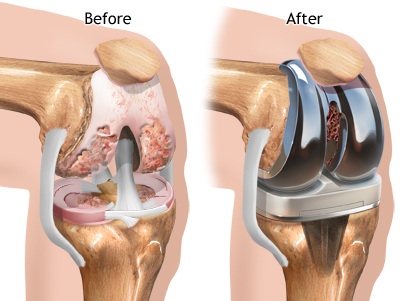
Joint replacement surgery involves replacing damaged joint surfaces with artificial components called prostheses. These implants are designed to support smoother movement and improve joint function.
Welton Hospital provides orthopaedic surgical services, modular operation theatres, and physiotherapy and rehabilitation facilities.
Patients considering surgery can receive an orthopaedic assessment, discussion of treatment options, surgical planning where appropriate, and postoperative rehabilitation guidance.
What Is Robotic Joint Replacement Surgery?
Robotic-assisted joint replacement is a surgical technique that uses computer-guided planning and specialised instruments to assist the surgeon during selected joint replacement procedures.
Depending on the system, robotic technology may help with:
- Planning implant position and alignment
- Assessing joint anatomy
- Guiding selected bone preparation steps
- Supporting surgical precision
- Evaluating joint balance during surgery
The surgeon remains responsible for planning, performing, and supervising the operation. Robotic systems do not independently perform joint replacement surgery.
Robotic assistance may improve the accuracy of certain surgical steps, but it does not guarantee faster recovery, a longer-lasting implant, or better outcomes for every patient.
The suitability of robotic-assisted surgery depends on the patient's condition, the joint being treated, the surgical technique, and the availability of appropriate equipment.
Robotic Joint Replacement Surgery in Jaipur – What Should Patients Know?
Patients searching for a robotic joint replacement surgeon in Jaipur should understand how robotic technology is used and whether it is suitable for their condition.
Robotic assistance is most commonly associated with selected knee replacement procedures, although systems and indications vary.
Before choosing robotic-assisted surgery, patients should discuss:
- Whether robotic assistance is recommended for their joint condition
- Which robotic system will be used
- The surgeon's training and experience with that system
- Potential benefits and limitations
- Whether conventional joint replacement is equally suitable
- Expected recovery, risks, and treatment costs
At Welton Hospital, patients can consult Dr. Sandeep Yadav regarding joint replacement treatment options.
Note for publication: Confirm the hospital's current robotic equipment, supported procedures, and treating surgeon's robotic-system training before describing robotic-assisted surgery as an available hospital service.
Types of Joint Replacement Surgery
The type of joint replacement depends on the affected joint and the extent of damage.
1. Total Knee Replacement Surgery
Total knee replacement involves replacing damaged joint surfaces with artificial components. It is commonly considered for advanced knee arthritis that causes persistent pain and functional limitations.
The procedure may be performed using conventional instruments or robotic-assisted technology where available and clinically appropriate.
Learn More About Knee Replacement Surgery
2. Partial Knee Replacement Surgery
Partial knee replacement may be suitable when arthritis primarily affects one compartment of the knee and the remaining structures meet the requirements for this procedure.
It preserves more of the natural joint than total knee replacement, but it is not appropriate for every patient.
3. Total Hip Replacement Surgery
Total hip replacement involves replacing the damaged femoral head and hip socket surface with artificial components.
It may be considered for advanced osteoarthritis, avascular necrosis, inflammatory arthritis, and selected hip fractures.
Learn More About Hip Replacement Surgery
4. Partial Hip Replacement Surgery
Partial hip replacement, also called hemiarthroplasty, replaces the femoral head while retaining the natural socket.
It is commonly used for selected hip fractures, particularly in older adults.
5. Shoulder Replacement Surgery
Shoulder replacement may be considered for advanced arthritis, certain fractures, or severe joint damage.
Depending on the condition, the surgeon may recommend anatomical shoulder replacement or reverse shoulder replacement. These procedures have different indications and implant configurations.
Learn More About Shoulder Replacement Surgery
When Is Joint Replacement Surgery Recommended?
Joint replacement may be considered when joint damage causes significant pain and limits normal activities despite appropriate non-surgical treatment.
Common reasons for evaluation include:
- Persistent knee or hip pain
- Severe joint stiffness
- Difficulty walking or climbing stairs
- Pain affecting sleep or daily activities
- Advanced arthritis visible on imaging
- Reduced mobility despite physiotherapy or medication
- Certain fractures or joint deformities
Surgery is not always the first treatment. The doctor considers symptoms, physical examination findings, imaging results, medical conditions, and patient preferences before recommending a procedure.
Benefits of Joint Replacement Surgery
For appropriately selected patients, joint replacement may provide:
- Reduced joint pain
- Improved mobility
- Better ability to perform everyday activities
- Improved joint function
- Greater independence
- Better quality of life
Outcomes vary. Factors such as the underlying condition, implant selection, surgical technique, general health, and rehabilitation can influence recovery.
Conventional vs Robotic-Assisted Joint Replacement
Both conventional and robotic-assisted joint replacement aim to replace damaged joint surfaces and improve function.
Conventional Joint Replacement
The surgeon uses established surgical instruments, anatomical landmarks, and preoperative planning to position the implants.
Robotic-Assisted Joint Replacement
The surgeon uses a robotic-assisted system to support selected planning and surgical steps. Depending on the technology, the system may provide additional guidance for implant positioning and bone preparation.
Robotic assistance can improve certain technical measurements, but long-term clinical advantages over well-performed conventional surgery are not established for every system or patient.
The choice should be based on clinical suitability rather than technology alone.
Meet Dr. Sandeep Yadav – Joint Replacement Surgeon in Jaipur
Dr. Sandeep Yadav, MBBS, MS (Orthopaedics), is an orthopaedic surgeon at Welton Hospital, Jaipur, with specialised training in joint replacement surgery, arthroscopy, and knee surgery.
Qualifications and Professional Training
- MBBS: Government Medical College, Baroda (2010)
- MS Orthopaedics: PGIMER, Chandigarh (2014)
- Senior Residency: AIIMS, New Delhi (2014–2017)
- Fellowship in Joint Replacement & Arthroscopy: Vienna, Austria (2016)
- Fellowship in Knee Surgery & Sports Medicine: Seoul National University Hospital, South Korea (2017)
- Membership: Indian Orthopaedic Association
- Medical Registration: Rajasthan Medical Council – 14463
View Dr. Sandeep Yadav's Profile
Why Consider Welton Hospital for Joint Replacement Surgery in Jaipur?
Choosing a joint replacement hospital involves considering the treating surgeon's qualifications, surgical facilities, treatment planning, and postoperative rehabilitation.
Welton Hospital provides orthopaedic care in Durgapura, Jaipur.
Orthopaedic and Joint Replacement Expertise
Dr. Sandeep Yadav has fellowship training relevant to primary and revision joint replacement procedures.
Surgical Facilities
The hospital lists modular operation theatres, inpatient facilities, and orthopaedic surgical services.
Individualised Treatment Planning
The treatment approach considers the affected joint, severity of damage, medical history, and functional requirements.
Physiotherapy and Rehabilitation
Physiotherapy supports mobility, muscle strengthening, and functional recovery after joint replacement surgery.
Patients comparing a robotic joint replacement hospital in Jaipur should also confirm whether the hospital currently offers robotic-assisted procedures, which system is used, and whether the technology is appropriate for their condition.
Recovery After Joint Replacement Surgery
Recovery varies depending on the joint replaced, surgical procedure, general health, and rehabilitation.
Many hip and knee replacement patients begin walking with assistance on the day of surgery or within the first few days, depending on medical advice.
Recovery commonly involves:
- Pain and swelling management
- Early assisted mobilisation
- Physiotherapy and strengthening exercises
- Gradual return to daily activities
- Follow-up appointments
- Monitoring for complications
Functional improvement often continues for several months. Patients should follow their surgeon's specific rehabilitation and activity instructions.
Risks and Possible Complications
Joint replacement is a major surgical procedure and carries potential risks.
These may include:
- Infection
- Blood clots
- Bleeding
- Nerve or blood vessel injury
- Joint stiffness
- Implant loosening or wear
- Fracture around the implant
- Persistent pain
- Dislocation in certain joint replacements
- Anaesthesia-related complications
Appropriate preoperative assessment, surgical planning, postoperative care, and rehabilitation help manage these risks, but cannot eliminate them completely.
Consult Dr. Sandeep Yadav at Welton Hospital, Jaipur
If persistent knee or hip pain is affecting your mobility, an orthopaedic assessment can help determine whether joint replacement surgery or another treatment is appropriate.
Consult Dr. Sandeep Yadav at Welton Hospital to discuss your joint condition, available treatment options, and rehabilitation needs.
Book an Appointment for Joint Replacement Consultation
Medically Reviewed By
Dr. Sandeep Yadav
MBBS, MS (Orthopaedics)
Orthopaedic Surgeon | Joint Replacement Surgeon
Welton Hospital, Jaipur
RMC Registration: 14463
Joint Replacement Is A Surgery That Many People Go Through To Relieve Their Chronic Joint Pain Or Better Joint Mobility When Other Non-surgical Treatments