Joint replacement surgery is a commonly performed procedure for people experiencing severe joint pain, stiffness, and difficulty moving due to conditions such as osteoarthritis, rheumatoid arthritis, or advanced joint damage. It involves replacing damaged parts of a joint with artificial components to improve movement, reduce pain, and support daily activities.
Although joint replacement can significantly improve quality of life, recovery plays an equally important role in achieving successful results. Following medical advice, attending physiotherapy sessions, maintaining a healthy lifestyle, and taking proper care of the operated joint can help patients recover more effectively.
With advancements in surgical techniques, robotic-assisted procedures have also become an option for selected patients. Consulting an experienced robotic joint replacement surgeon can help patients understand suitable surgical approaches and prepare for recovery.
1. Follow Your Surgeon's Post-Operative Instructions
The first step towards a smooth recovery is following the instructions provided by your treating surgeon. Every patient has different medical needs, depending on the type of joint replacement, age, overall health, and surgical procedure.
After surgery, the medical team provides guidance regarding medication, wound care, physical activity, and follow-up appointments.
Patients should:
- Take prescribed medicines according to medical instructions.
- Follow recommendations regarding walking and weight-bearing.
- Keep the surgical wound clean and protected.
- Attend scheduled follow-up visits.
- Avoid activities that may place unnecessary pressure on the operated joint.
Following a personalised recovery plan helps reduce avoidable complications and supports gradual improvement.
2. Start Physiotherapy at the Recommended Time
Physiotherapy is one of the most important parts of joint replacement recovery. It helps improve joint movement, strengthen surrounding muscles, and restore physical function.
Depending on the patient's condition, supervised exercises may begin shortly after surgery. The physiotherapist develops an exercise programme according to the type of joint replacement and the patient's recovery progress.
Common rehabilitation activities include:
- Gentle joint movement exercises.
- Ankle pumps to encourage circulation.
- Muscle-strengthening exercises.
- Supported walking.
- Balance and coordination training.
Patients should perform exercises as advised by their physiotherapist. Avoid starting strenuous activities or increasing exercise intensity without medical guidance.
3. Begin Walking Gradually
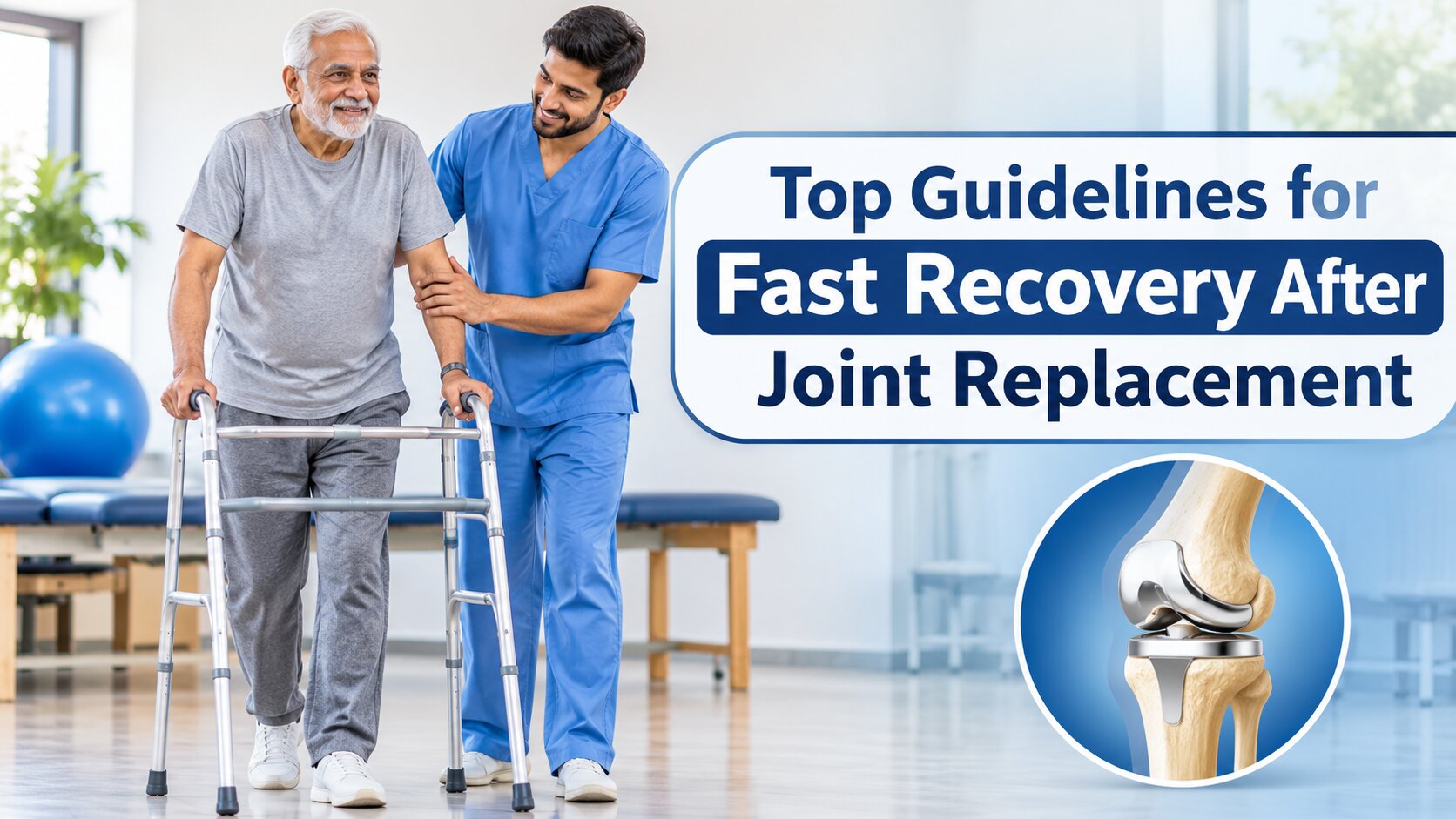
Early movement is generally encouraged after joint replacement surgery when the treating team considers it safe. Walking can help improve circulation, maintain muscle activity, and gradually restore confidence in movement.
Initially, patients may require support from a walker, crutches, or another walking aid. The duration of support depends on individual progress and the surgeon's recommendations.
Some useful guidelines include:
- Start with short walking sessions.
- Use prescribed walking aids correctly.
- Avoid sudden turns or twisting movements.
- Increase walking distance gradually.
- Take breaks whenever necessary.
Trying to walk too much during the initial recovery period can increase discomfort and swelling. A gradual approach is usually more suitable.
4. Manage Pain and Swelling Properly
Pain and swelling are common during the early stages of joint replacement recovery. Their intensity may vary depending on the procedure, individual healing response, and physical activity.
Following the recommended pain-management plan can make rehabilitation more comfortable.
Some general measures include:
- Take prescribed pain-relief medicines as directed.
- Apply cold packs if recommended by the medical team.
- Elevate the operated limb when advised.
- Avoid prolonged standing during early recovery.
- Follow instructions regarding compression garments, if prescribed.
Patients should contact their healthcare provider if they experience sudden worsening pain, increasing redness, wound discharge, fever, or significant swelling. Sudden breathlessness or chest pain requires emergency medical attention.
5. Maintain a Healthy and Balanced Diet
Nutrition supports tissue repair, wound healing, and muscle recovery after surgery. A balanced diet provides essential nutrients that help the body recover.
Patients should include a variety of foods in their daily meals.
Protein-Rich Foods: Eggs, milk, lentils, beans, paneer, fish, and lean meat provide protein that supports tissue repair and muscle maintenance.
Calcium and Vitamin D: Dairy products, fortified foods, and suitable dietary sources help maintain bone health.
Fruits and Vegetables: Seasonal fruits and vegetables provide vitamins, minerals, and antioxidants.
Whole Grains: Oats, whole wheat, brown rice, and other whole grains provide energy and dietary fibre.
Adequate water intake is also important. Patients with diabetes, kidney disease, or other dietary restrictions should follow advice from their healthcare professional or dietitian.
6. Take Proper Care of the Surgical Wound
Wound care is essential after joint replacement surgery because the surgical incision needs time to heal. Patients should follow the hospital's dressing and hygiene instructions carefully.
Important precautions include:
- Keep the dressing dry for the period recommended by the surgeon.
- Do not remove or change the dressing without proper instructions.
- Avoid applying creams, powders, or home remedies to the incision.
- Watch for redness, unusual discharge, or increasing tenderness.
- Attend wound-check appointments as scheduled.
If signs of infection appear, contact the treating medical team promptly rather than waiting for the next routine appointment.
7. Make Your Home Safer for Recovery
Preparing the home before surgery can make daily activities easier and reduce the risk of accidental falls.
Patients may consider making a few practical changes:
- Remove loose rugs and objects from walking areas.
- Keep frequently used items within easy reach.
- Install support rails in bathrooms if needed.
- Use a stable chair with armrests.
- Ensure proper lighting in hallways and rooms.
- Arrange a comfortable sleeping and resting area.
These adjustments can help patients move around more confidently while recovering.
8. Avoid Activities That Can Strain the New Joint
Artificial joints need time to settle and the surrounding muscles need to regain strength. Returning to normal activities too quickly may cause discomfort or interfere with rehabilitation.
During the recovery period, patients should avoid activities that their surgeon has restricted, which may include:
- Heavy lifting.
- High-impact exercise.
- Sudden twisting or turning.
- Deep bending beyond recommended limits.
- Sitting in positions that place excessive stress on the operated joint.
Activity restrictions differ between hip and knee replacement procedures. Patients should follow the specific precautions provided by their surgeon.
9. Understand the Role of Robotic-Assisted Joint Replacement
Robotic-assisted joint replacement is an advanced surgical approach that uses computer-based planning and specialised technology to assist the surgeon during the procedure.
It can help with preoperative planning, assessment of joint alignment, and precise positioning of artificial components. However, the surgeon remains responsible for making clinical decisions and performing the operation.
Patients considering this approach can consult a robotic joint replacement hospital in Jaipur to understand the available technology, surgical expertise, rehabilitation facilities, and post-operative support.
Robotic assistance is not necessary or suitable for every patient. The choice of surgical technique depends on the patient's condition, anatomy, medical history, and the surgeon's assessment.
10. Attend Regular Follow-Up Appointments
Follow-up visits help the surgeon evaluate healing, joint movement, pain levels, and overall recovery. These appointments also provide an opportunity to identify complications and adjust the rehabilitation plan.
During follow-up assessments, the medical team may evaluate:
- Surgical wound healing.
- Joint flexibility and movement.
- Muscle strength.
- Walking ability and balance.
- Implant position when imaging is clinically required.
Patients should report any unusual symptoms or difficulties during these visits.
11. Choose Experienced Orthopaedic Care
The quality of surgical planning, procedure, and rehabilitation support can influence the overall joint replacement experience. Patients should consider the surgeon's experience, hospital facilities, physiotherapy services, and post-operative care arrangements.
When searching for the best ortho surgeon in jaipur, patients should evaluate qualifications, experience in joint replacement procedures, communication, and the availability of a personalized treatment plan.
A good recovery programme should focus not only on pain relief but also on restoring mobility, independence, and confidence in everyday activities.
Conclusion
Recovery after joint replacement surgery requires patience, consistency, and proper medical guidance. Following post-operative instructions, participating in physiotherapy, maintaining balanced nutrition, managing swelling, and attending follow-up appointments can support the healing process.
Every patient recovers at a different pace, so progress should be evaluated according to individual needs rather than compared with others. With appropriate surgical care and a structured rehabilitation plan, many patients can gradually return to their daily activities and enjoy improved joint function.
Frequently Asked Questions
1. How long does it take to recover after joint replacement surgery?
Recovery varies depending on the type of joint replacement, overall health, and rehabilitation progress. Many patients resume several daily activities within a few weeks, while complete recovery and strength improvement may take several months.
2. Is walking important after joint replacement surgery?
Yes. Walking is generally encouraged when approved by the treating team. It helps improve circulation, maintain muscle activity, and gradually restore mobility.
3. Why is physiotherapy necessary after joint replacement?
Physiotherapy helps improve joint flexibility, muscle strength, balance, and coordination. It also supports a gradual and safer return to everyday activities.
4. What foods help with recovery after joint replacement?
A balanced diet containing protein, calcium, vitamin D, fruits, vegetables, and whole grains can support healing and muscle recovery. Individual dietary requirements should be discussed with a healthcare professional.
5. Can robotic-assisted technology be used for joint replacement?
Yes. Robotic-assisted technology can support surgical planning and component positioning in selected joint replacement procedures. Its suitability depends on the patient's condition and the surgeon's recommendation